Why Automated Gluing Is Becoming a Must-Have Technique in Woodshops
Exploring the Most Recent Advancements in Woodworking Equipment for Improved Workmanship
The woodworking market is undertaking substantial improvement due to recent advancements in machinery. Technologies such as wise saws, CNC machines, and laser cutters are redefining accuracy and performance (Woodworking Machinery Products). These devices not just boost workmanship yet likewise advertise safety and security and tidiness in the work space. As modern technology integrates with typical techniques, a new degree of imagination arises. The effects of these advancements question about the future of woodworking and the possibility for even better developments ahead
Smart Saws: Accuracy Cutting for each Wood Type
In recent times, numerous technologies in woodworking equipment have arised, with smart saws blazing a trail in precision cutting for various wood types. These innovative tools utilize digital innovation to improve accuracy and effectiveness, enabling woodworkers to accomplish exact cuts with marginal initiative. Furnished with sensing units and automated systems, clever saws can instantly readjust settings based upon the kind and thickness of the timber, ensuring peak efficiency for every project.
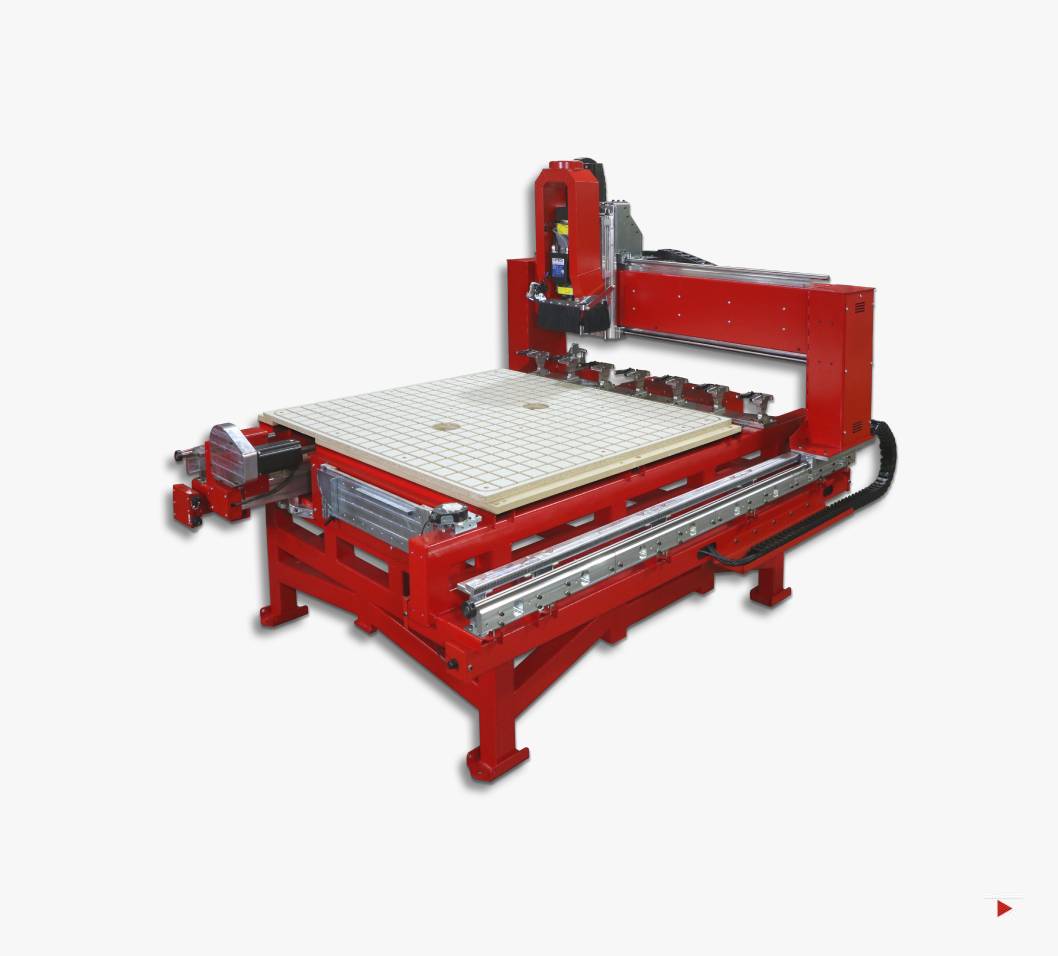
CNC Machines: Bringing Intricate Styles to Life
CNC devices stand for a significant development in woodworking technology, enabling craftsmen to bring detailed layouts to life with remarkable precision. These computer-controlled gadgets use sophisticated software program to analyze digital styles and carry out intricate cuts and carvings, lessening human mistake and taking full advantage of efficiency. With the capability to collaborate with numerous materials, consisting of woods, compounds, and softwoods, CNC equipments satisfy varied woodworking projects, from furnishings making to intricate cabinets.
Craftsmen can produce comprehensive patterns and forms that would be labor-intensive or nearly difficult to attain with standard devices. The flexibility of CNC equipments also enables quick prototyping, enabling developers to test and refine their concepts rapidly. Because of this, these equipments not just enhance workmanship yet also increase the innovative possibilities within the woodworking sector. By integrating precision and modern technology, CNC machines have actually revolutionized the method artisans approach their craft, establishing new requirements for quality and design.
Laser Cutters: Enhancing Detail and Performance
While many woodworking devices boost productivity, laser cutters stick out for their capacity to supply extraordinary detail and effectiveness. These sophisticated machines make use of concentrated laser beam of lights to puncture timber with unequaled accuracy, enabling craftsmens to develop complex layouts that conventional methods can not achieve. The rate at which laser cutters operate greatly reduces production time, allowing craftsmen to take on more projects without sacrificing quality.
Laser cutters likewise provide flexibility, suiting various products beyond timber, such as composites and polymers. This flexibility enables companies to expand their offerings and appeal to a broader clientele - Woodworking Machinery Products. Additionally, laser modern technology minimizes waste by making cleaner cuts, which is both economical and ecologically pleasant
As woodworking proceeds to develop, the combination of laser cutters represents a major improvement, encouraging artisans to push the limits of imagination and effectiveness in their job. This technology marks a crucial change in the woodworking sector, enhancing both artistry and efficiency.
Dust Collection Systems: Preserving a Tidy Work Area
As woodworking tasks produce considerable quantities of dirt and debris, efficient dust collection systems play an important role in preserving a tidy and safe work area. These systems are developed to record and get rid of particulate matter produced throughout cutting, sanding, and milling processes, thus improving air top quality and reducing the threat of respiratory concerns for craftsmen.
Modern dirt collection systems use sophisticated technology, consisting of cyclonic splitting up and high-efficiency filters, to make best use of dirt extraction performance. Many systems can be incorporated with existing equipment, permitting smooth procedure and lessening setup time.
Additionally, mobile dust collection agencies supply flexibility for varying project sizes and locations, guaranteeing that woodworkers can keep cleanliness despite work area constraints. Carrying out a durable dirt collection system not just boosts the overall woodworking experience yet also extends the life of tools and equipment by stopping dirt accumulation. Investing in quality dirt collection is crucial for any serious woodworker.
Digital Design Software Program: Improving the Creative Process
Several software options integrate effortlessly with CNC machines, permitting for computerized manufacturing based on digital layouts - Lumber Stacker. This combination of technology and craftsmanship not just speeds up the manufacture procedure yet also encourages woodworkers to explore ingenious layouts without the constraints of traditional methods. Ultimately, electronic style software is reshaping woodworking, promoting a brand-new period where creative thinking and innovation coexist harmoniously
Frequently Asked Inquiries
What Are the Maintenance Needs for Modern Woodworking Machinery?
Modern woodworking machinery calls for routine cleansing, Lumber Stacker lubrication of moving parts, examination for damage, tightening of loosened elements, and periodic calibration to assure peak efficiency and longevity, adding to general efficiency and security during operations.
How Do I Choose the Right Equipment for My Workshop Size?
To pick the ideal maker for a workshop size, one should assess available room, think about the maker's footprint, examine power requirements, and focus on multifunctional tools for performance, making sure compatibility with the designated woodworking jobs.
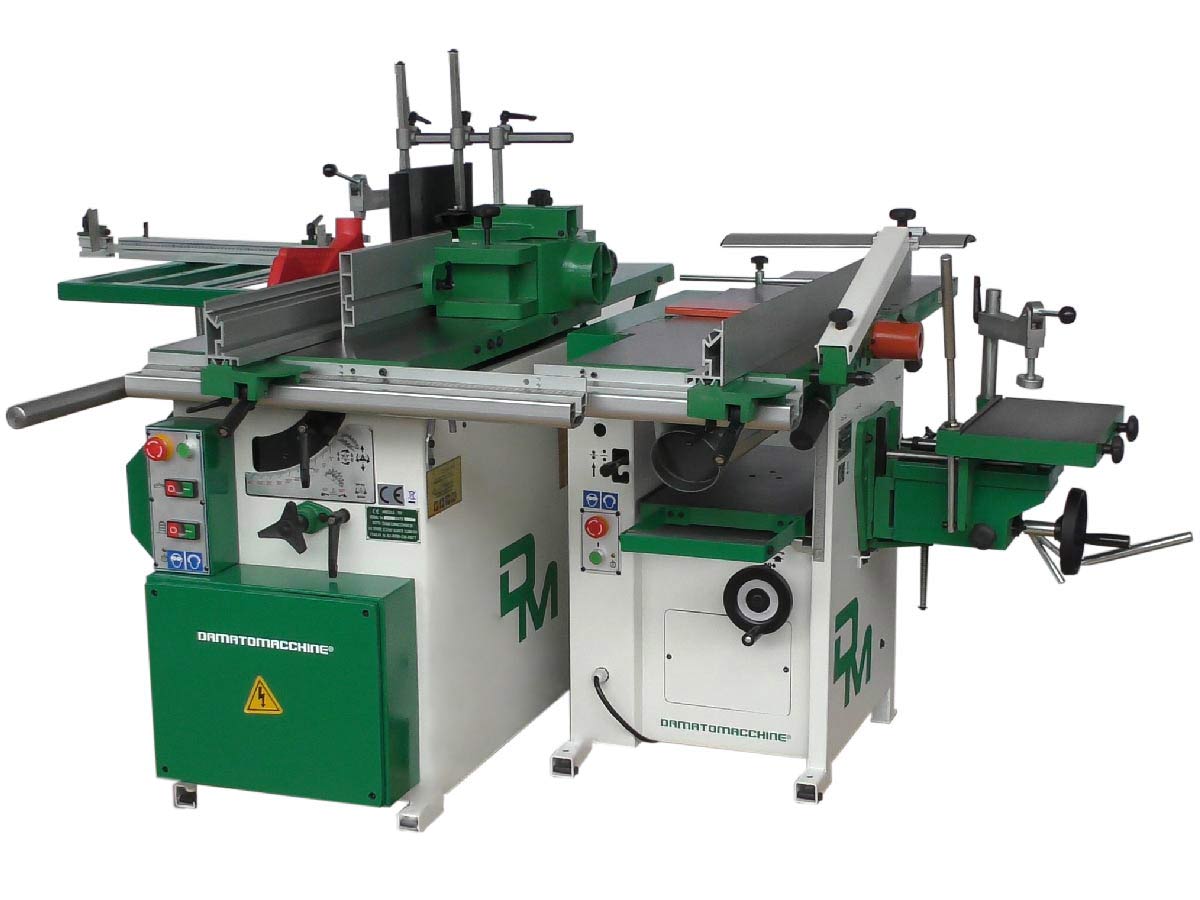
Are There Safety Features in New Woodworking Machines?
Numerous brand-new woodworking equipments include advanced safety attributes, such as automatic shut-off systems, blade guards, and emergency situation quit buttons. These improvements aim to protect users and reduce crashes, promoting a more secure working environment for artisans.
What Is the Average Life-span of Woodworking Machinery?
The ordinary life-span of woodworking machinery typically varies from 10 to 20 years, depending on usage, upkeep, and the top quality of the equipment. Normal maintenance can notably prolong its operational efficiency and long life.
How Can I Money the Purchase of Woodworking Devices?
Financing woodworking tools can be achieved via various means, consisting of personal lendings, devices financing alternatives, leasing arrangements, or making use of small business car loans. Evaluating one's budget and looking into funding sources is essential for educated decision-making.
As an outcome, these makers not just improve workmanship but additionally increase the imaginative opportunities within the woodworking industry. Implementing a robust dirt collection system not just enhances the total woodworking experience however likewise prolongs the life of devices and equipment by protecting against dust accumulation. In parallel, digital design software application has actually emerged as a critical tool in the woodworking industry, substantially enhancing the innovative process. Several new woodworking equipments integrate innovative safety and security attributes, such as automatic shut-off systems, blade guards, and emergency situation quit buttons. The ordinary lifespan of woodworking machinery typically ranges from 10 to 20 years, depending on use, upkeep, and the quality of the device.